
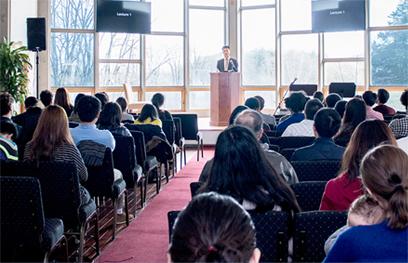
Faith-based volunteering continues to be a powerful force in addressing global needs, driven by a deep sense of purpose and compassion. Across countries and cultures, religious communities mobilize people to step outside their comfort zones, often into challenging environments. As explained by the World Olivet Assembly, these efforts go beyond immediate aid—they foster relationships, empower local leadership, and reflect a shared belief in the dignity and worth of all individuals. While not without its challenges, faith-rooted outreach remains an impactful expression of spiritual values in action.
Faith in Action on a Global Scale
Faith in action refers to the tangible ways spiritual beliefs inspire people to serve others, especially beyond their own borders. Across many faith traditions, helping those in need is seen as a core responsibility, not just a symbolic gesture.
In many communities around the world, people driven by faith values contribute to international efforts that focus on compassion, justice, and service. Mission trips, interfaith collaborations, and long-term development projects often emerge from this sense of purpose. A church group may sponsor clean water initiatives in rural regions, while a religious nonprofit might support refugee relief in conflict zones.
How Faith-Based Volunteerism Supports Global Communities
Volunteers inspired by their faith often step into roles that directly support vulnerable populations worldwide. Whether it’s teaching in under-resourced schools, offering medical care in remote villages, or helping rebuild communities after natural disasters, their presence can bring practical and emotional support. In some locations, volunteers also assist in creating vocational training centers that help locals develop sustainable careers.
Many of these efforts are organized through churches, mosques, temples, and faith-based nonprofits that coordinate logistics and training. These groups often maintain long-standing relationships with international partners, which allows them to respond quickly and effectively when needs arise. A youth group from a congregation might travel annually to support sustainable agriculture in Central America, building trust over time.
What makes these efforts distinct is the underlying motivation. Volunteers are not only offering time and skills—they are often acting out of a deeply rooted sense of calling, believing that their service is a reflection of their faith in daily life.
Programs Making a Difference
A mobile health clinic run by a Christian organization in East Africa provides regular medical services to rural populations who otherwise travel miles to reach a doctor. In South Asia, a Muslim charity supports girls' education through locally staffed schools, helping close the gender literacy gap. In Latin America, faith groups are helping indigenous communities secure land rights and preserve cultural heritage.
Such programs tend to focus on long-term outcomes. Rather than offering temporary aid, they aim to build capacity and resilience within the communities they serve. These efforts are often shaped in close consultation with local leaders, ensuring that the work aligns with actual needs and cultural values. The result is outreach that is not only compassionate but also effective and sustainable.
Challenges in Global Volunteer Work
While faith-based outreach brings hope to many, it also comes with complex challenges. Navigating cultural differences requires humility, awareness, and a willingness to learn. Without careful preparation, even well-intentioned volunteers can unintentionally impose values or disrupt local systems. Language barriers and differing expectations can further complicate these dynamics, requiring patience and thoughtful communication.
Sustainability remains another concern. Short-term projects may not always provide lasting impact unless they are part of broader, community-led efforts. Some organizations are addressing this by working closely with local partners, ensuring that initiatives continue long after volunteers leave. Training local leaders and focusing on skill transfer have become important strategies in this regard.
Financial constraints can also limit the reach of global programs. Faith-driven groups often rely on donations and fundraising, which can fluctuate and impact their ability to maintain consistent support. In response, many organizations are diversifying funding sources and forming partnerships with other nonprofits or even secular aid.
Why Continued Outreach Matters
Ongoing engagement allows relationships to deepen and trust to grow between volunteers and the communities they serve. When faith-based efforts are sustained over time, they often evolve into partnerships rather than being one-sided.
Beyond the immediate benefits to those on the receiving end, volunteers themselves often return transformed. Many speak about gaining a broader perspective, a renewed sense of purpose, and deeper empathy—shaping how they live out their beliefs at home. Some go on to advocate for social justice or pursue careers in humanitarian work, extending the impact of their experiences. The spiritual growth that accompanies such service often strengthens the volunteer’s faith and commitment.
Ways to Contribute and Get Involved
Not everyone is able to travel, yet there are still meaningful ways to support global faith-based outreach. Donating to vetted organizations, hosting awareness events, or even offering administrative help remotely can make a difference. Writing letters to program beneficiaries or assisting with grant writing are other behind-the-scenes ways to support global missions.
Some choose to participate in recurring campaigns or sponsor specific initiatives, such as funding school supplies or clean water systems. Others get involved through their local congregations, which may partner with international missions or support global relief efforts.
Digital platforms and social media have also made it easier to stay engaged and informed about global needs. Whether through prayer, fundraising, or advocacy, every contribution plays a part in strengthening communities.