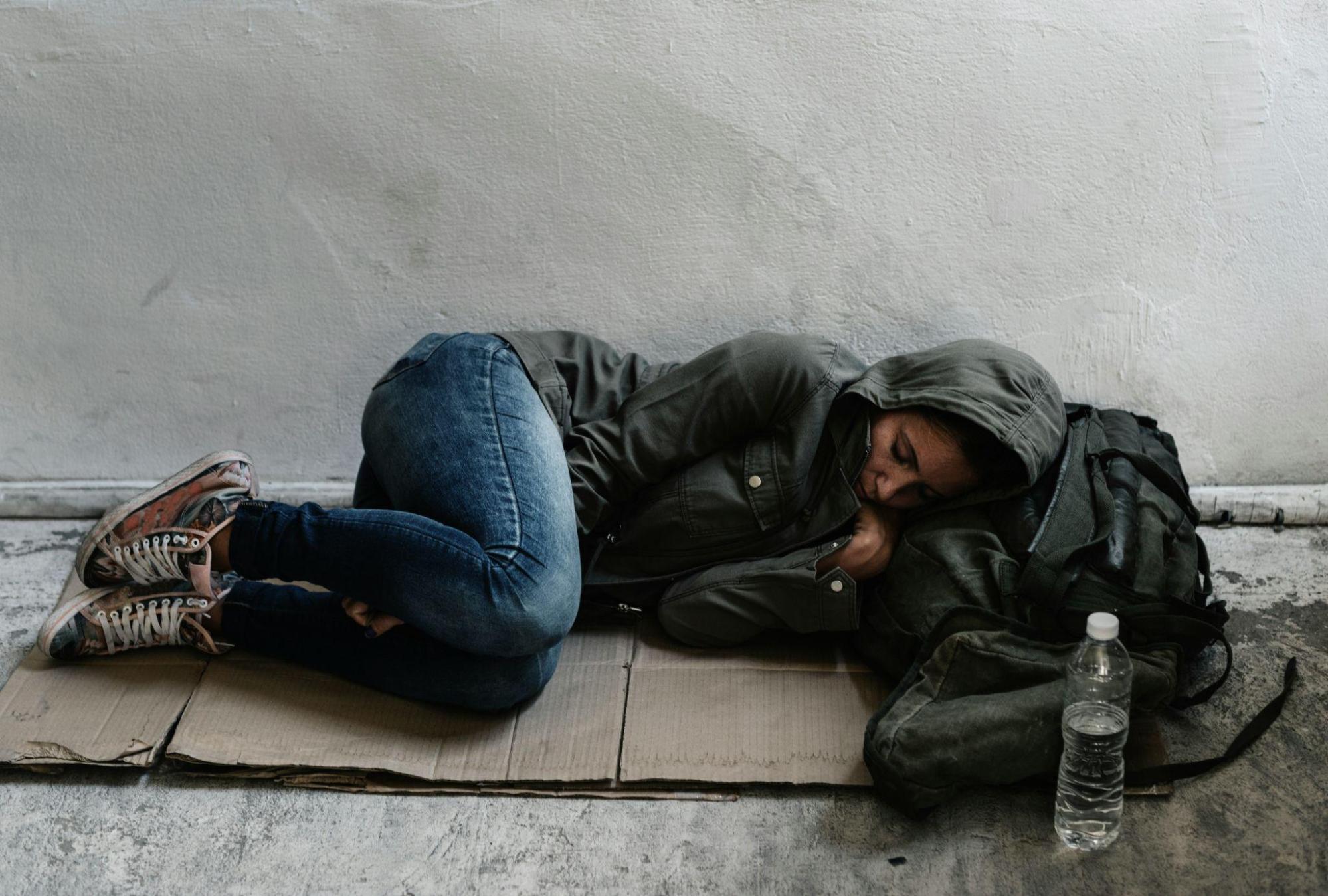
Every day, people experiencing homelessness navigate a world that often treats them as invisible. While donations and services are important, the consistent presence of people who genuinely care can offer something equally essential: human connection. The act of showing up, listening, and acknowledging someone’s existence may seem small, but it carries a weight that money alone cannot match.
In a world that frequently meets homelessness with avoidance or discomfort, choosing to engage with empathy becomes a quiet but powerful form of resistance. It’s not about grand solutions or dramatic gestures; it’s about everyday moments that affirm dignity and rebuild trust. For Jett Harris, these interactions, though simple, can ripple outward—shaping attitudes, softening stigma, and planting the roots for long-term change. Whether through a greeting, a shared coffee, or the steady return of a familiar face, presence becomes a bridge between isolation and belonging.
What It Means to Show Up for the Homeless
Being present means much more than just being physically nearby. It’s about choosing to notice, listen, and acknowledge someone who is often overlooked by society. Presence in this setting is quiet but intentional—offering respect, attention, and consistency without expecting anything in return. It’s the kind of attention that lingers, making someone feel like more than a shadow in the crowd.
When people experiencing homelessness are treated with genuine care and attention, it can restore a sense of identity that often gets stripped away. A regular greeting, a shared moment of conversation, or remembering someone’s name can have a lasting effect. These small interactions show that a person’s existence matters, even when the world has told them otherwise. It becomes a reminder that their story still holds value.
In many communities, presence looks like recognizing someone in the same spot day after day and treating them as part of the neighborhood, not a problem to avoid. This kind of engagement builds trust and reminds people that they haven't been forgotten. It also encourages others to shift their perspective and see the humanity in someone they might otherwise pass by.
The Impact of Social Isolation on the Homeless Community
People without stable housing often experience a kind of invisibility that cuts deeper than just being ignored. Day after day, they are passed on the street without eye contact, spoken about but rarely spoken to. This social erasure chips away at their sense of worth and belonging.
The emotional toll of being unseen can be profound. Many describe feeling like ghosts—present but not acknowledged. When no one greets you, asks how you’re doing, or even notices you exist, the loneliness can become heavier than the hardship of living without shelter. In some cities, individuals have said that being acknowledged with a simple hello meant more than receiving money. That kind of emotional recognition can be a lifeline.
Gradually, this isolation reinforces the idea that their presence is a burden or an inconvenience. It creates barriers to connection, not just with strangers but with the broader community, making recovery and reintegration even harder. The longer someone goes without interaction, the harder it becomes to rebuild that bridge.
Why Presence Builds More Than Donations Can
Giving someone food or money might meet a short-term need, but it rarely creates a lasting connection. True presence—returning to the same corner, remembering someone’s story, exchanging greetings—can break down barriers that coins and handouts never will. These repeated interactions say more than words: they say, “I see you.”
Consistent presence tells someone they matter beyond their circumstances. It creates space for dignity to grow. When someone feels seen, not just helped, the possibility of change feels more real. A familiar face can offer a sense of safety and belonging that many shelters or services can’t replicate.
Showing Care in Public Spaces
Noticing someone in need, offering a moment of kindness, or simply choosing not to look away—these are subtle but powerful actions. In public spaces, where people experiencing homelessness are often pushed to the margins, acts of care challenge the idea that they don’t belong.
When someone takes the time to sit beside a person on a park bench or speak with them without judgment, it sends a quiet message that their presence is not only allowed but valued. These moments push back against the silence that surrounds homelessness, shifting public perception one small gesture at a time. People walking by might begin to question their own assumptions.
It’s not about fixing everything. It’s about refusing to let indifference win. Small acts, repeated often, can erode stigma and remind others watching that compassion still has a place in daily life.
How to Practice Presence in Everyday Life
Being present doesn’t require a title or special training. It can start with a moment of eye contact, a simple hello, or learning someone’s name. These basic gestures, when offered with sincerity, lay the groundwork for trust. They can soften the guard people naturally build after years of being ignored.
One woman began bringing an extra coffee on her morning walk and offering it to a man she passed regularly. Over time, what started as a small habit grew into a real friendship, complete with shared stories, laughter, and mutual respect. Eventually, they looked forward to seeing each other every morning.
Volunteering with local outreach groups can also help build consistent relationships. When people show up regularly, they become familiar faces, not strangers. That familiarity can make a world of difference to someone who rarely feels seen.